HIIT for weight loss: a practical guide to results without burnout
High-intensity interval training can fit meaningful cardiovascular work into a short session, but it does not make body fat disappear independently of diet and daily activity. The most effective approach pairs two or three manageable interval workouts per week with strength training, recovery, and an eating pattern that creates a sustainable calorie deficit. Resistance exercise helps preserve muscle during energy restriction; progress is easier to see in performance as well as scale weight.
What HIIT actually does for weight loss
HIIT alternates brief periods of hard work with easier recovery periods. A hard interval should raise your breathing and effort substantially, while the recovery period lets you regain enough control to repeat the work with sound technique.
These sessions burn calories and can improve cardiovascular fitness, but total weekly energy balance still determines whether body weight trends down. Claims that a short workout keeps fat burning at an extraordinary rate all day generally overstate the post-exercise effect.
- Use perceived effort: hard intervals are commonly about 8 out of 10, not an uncontrolled all-out sprint.
- Count HIIT as vigorous cardiovascular exercise when planning your week.
- Judge progress over four to eight weeks rather than by sweat, soreness, or a single scale reading.
HIIT versus steady cardio
HIIT is time-efficient, while walking, cycling, and other steady activities are easier to recover from and can add more total movement. Most people do best by using both rather than treating them as competing methods.
How often should you do HIIT?
Beginners can start with one session per week and progress to two after they can finish without losing form. Experienced exercisers may tolerate three sessions, but more is not automatically better, especially when strength training or sports are already demanding.
Leave at least one easier day between hard interval sessions. Persistent leg heaviness, declining performance, disrupted sleep, irritability, or joint pain are reasons to reduce intensity or volume. A practical progression is to add manageable walking time or strength-training repetitions before making workouts dramatically harder.
- Beginner: one or two interval sessions weekly.
- Intermediate: two sessions, with a third only if recovery remains good.
- Other days: strength training, walking, easy cardio, mobility, or rest.
- Increase either interval length or repetition count gradually, not both at once.
Supplements for HIIT For Weight Loss
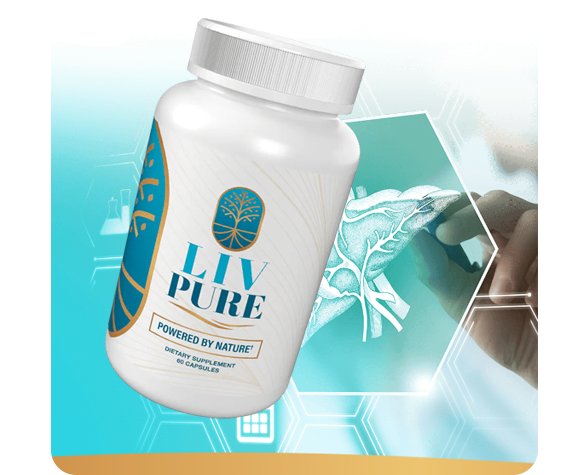
LivPure
LivPure brings together silymarin, berberine, betaine and choline in a formula aimed at liver wellness, energy metabolism and cellular antioxidant defense. Berberine is included for metabolic wellness, while milk thistle and glutathione focus on liver and cellular antioxidant support. Alongside HIIT for weight loss, the liver-support nutrients contribute to normal metabolic processing and antioxidant wellness.
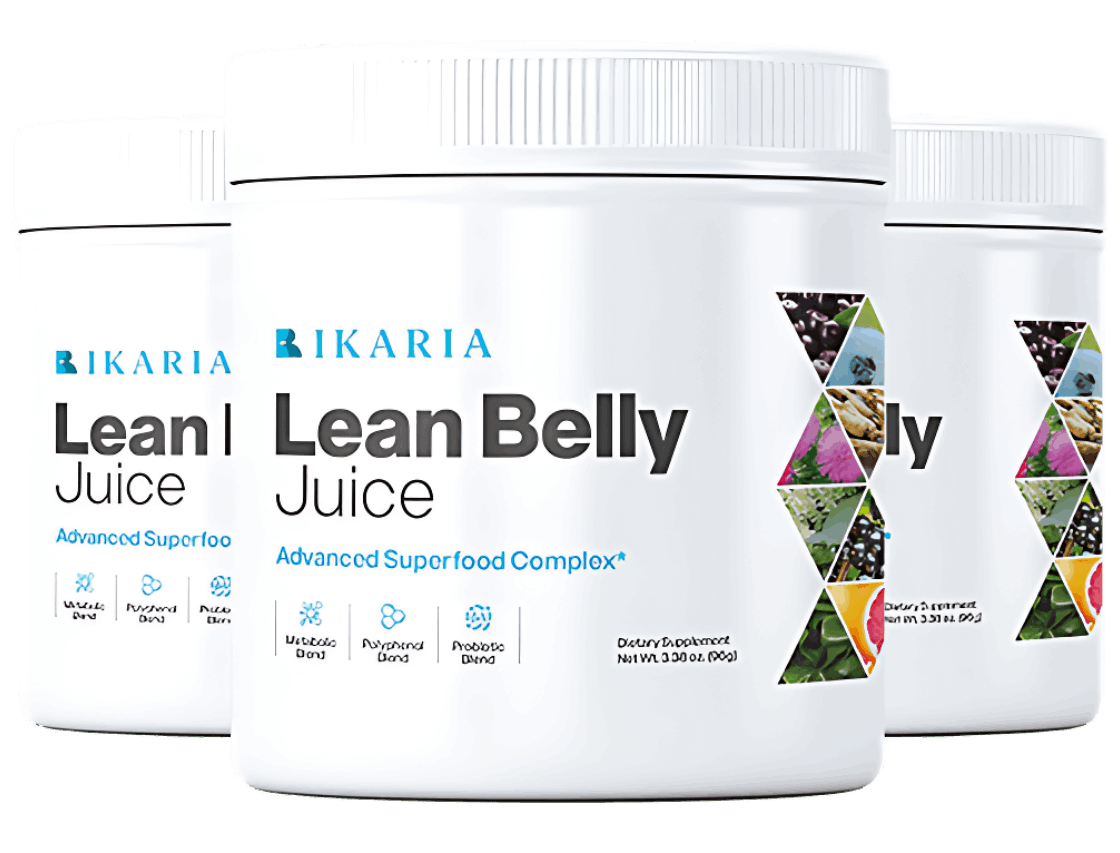
Ikaria Juice
Ikaria Lean Belly Juice brings together plant antioxidants from green tea, berries and beetroot with prebiotic inulin and probiotic cultures for digestive wellness. The combination of probiotic cultures, prebiotic fiber and botanical polyphenols targets gut comfort and everyday metabolic health. For HIIT for weight loss, digestive comfort from inulin and probiotics can support consistency with meal and activity routines.

Metabo Drops
The Metabo Drops liquid blends green-tea compounds and coffee-derived chlorogenic acid with L-carnitine, chromium and calming-focus L-theanine. Green tea and chlorogenic acid supply plant polyphenols, while chromium and L-carnitine give the formula its nutrient-metabolism focus. With HIIT for weight loss, L-carnitine’s role in fatty-acid transport complements an active routine, while L-theanine supports steady alertness.

Java Burn
The Java Burn coffee formula brings together green tea, green coffee bean extract, chromium, L-carnitine and L-theanine to support everyday metabolic function and alertness. Chromium and B vitamins contribute to normal nutrient and energy metabolism; the green-tea and green-coffee extracts add polyphenols. With HIIT for weight loss, L-carnitine’s role in fatty-acid transport complements an active routine, while L-theanine supports steady alertness.

TruVarin
TruVarin combines hemp-derived varin oil, caffeine and botanical extracts in a topical product aimed at scalp comfort and fuller-looking hair. The botanical oils and caffeine serve a cosmetic scalp-care purpose, independent of any calorie or metabolism goal. For HIIT for weight loss, the product’s nutrition and wellness role is separate from the adaptations built through training.

HepatoBurn
HepatoBurn brings silymarin, glutathione, berberine and choline into a multi-ingredient formula for liver-related metabolic and antioxidant support. Milk thistle and glutathione focus on liver antioxidant health, with berberine and choline adding a nutrient-metabolism component. Alongside HIIT for weight loss, the liver-support nutrients contribute to normal metabolic processing and antioxidant wellness.

AquaBurn
AquaBurn combines green-tea catechins, resveratrol, fucoxanthin from seaweed, quercetin, ginger, ginseng and turmeric. Fucoxanthin and green tea give AquaBurn a metabolism-focused botanical profile, complemented by ginger, ginseng and plant polyphenols. With HIIT for weight loss, ginseng and plant polyphenols add a vitality and antioxidant angle to the daily routine.

Flat Belly Shake
Flat Belly Shake is designed around the convenience of a prepared drink when planning breakfast, snacks and daily calorie intake. For meal planning, serving size and protein content matter more than the product name, because a satisfying shake needs adequate nutrients. For HIIT for weight loss, the product’s nutrition and wellness role is separate from the adaptations built through training.

Nagano Tonic
Nagano Tonic is a powdered drink mix made with botanicals and nutrients including camu camu, green-tea EGCG, mangosteen, ginger and inulin. Its formula is promoted for daily metabolic, energy and digestive support; it is not a substitute for balanced nutrition or medical care. When comparing options alongside hiit for weight loss, review the ingredient label and seller terms before ordering.
A realistic rate of progress
Early scale changes can reflect water and stored carbohydrate rather than fat. Compare weekly average weights under similar conditions, and also track waist measurements, workout performance, hunger, and how clothing fits.
A modest calorie deficit is usually easier to sustain than aggressive restriction. If weight is unchanged for several weeks, first check portion sizes, drinks, weekend eating, sleep, and daily step count before adding another punishing workout.
- Weigh at a consistent time and use a seven-day average if daily weighing feels comfortable.
- Measure the waist every two to four weeks rather than every day.
- Adjust one variable at a time so you can identify what works.
When the scale stalls
A short plateau is normal because water retention can mask fat loss, particularly after hard sessions. Look for a sustained trend over at least two to three weeks before making a small food or activity adjustment.
The weekly structure that beats random workouts
A balanced week includes vigorous intervals, resistance exercise, and lower-intensity movement. Strength training helps preserve muscle during weight loss, while walking adds energy expenditure with relatively little fatigue.
US physical activity guidance generally calls for at least 150 minutes of moderate aerobic activity or 75 minutes of vigorous activity each week, plus muscle-strengthening work on two days. HIIT can contribute to the vigorous total, but people do not need to perform every cardio minute at high intensity.
- Monday: full-body strength training.
- Tuesday: 15- to 20-minute interval session plus warm-up and cool-down.
- Wednesday: walking or easy cycling.
- Thursday: full-body strength training.
- Friday or Saturday: a second interval session if recovered.
- Remaining time: comfortable movement and at least one low-demand day.
Frequently Asked Questions
It can be enough for one effective workout, especially when the session includes several controlled hard intervals. Weight loss still depends on total weekly activity, food intake, sleep, and consistency.
No exercise selectively removes abdominal fat. HIIT may help reduce overall body fat when it contributes to a calorie deficit, and genetics influence where fat comes off first.
Usually not. Daily high-intensity work can compromise recovery and technique; most people are better served by one to three weekly sessions separated by easier days.